How Fiberglass and Vinyl Compare in Durability, Efficiency, Design, and Long-Term Value
Choosing replacement windows is an important decision for Northern California homeowners. The right windows can improve energy efficiency, comfort, curb appeal, and long term value, but the material you choose can make a significant difference in how your windows perform over time.
Fiberglass and vinyl are two popular options for residential windows. Both offer advantages, but they are not equal when it comes to durability, thermal performance, longevity, appearance, and long term value.
Northern California homes can experience a wide range of conditions, from coastal moisture and cooler temperatures to intense inland heat and sun exposure. Because of these variations, homeowners should consider more than the initial cost when choosing replacement windows.
Here’s how fiberglass and vinyl windows compare and what homeowners should know before making a decision.
Fiberglass vs. Vinyl: What's the Difference?
Fiberglass and vinyl are fundamentally different materials.
Fiberglass is manufactured using glass fibers combined with resin, creating a strong and dimensionally stable material. Vinyl windows are made primarily from PVC, a plastic based material valued for affordability and low maintenance.
Both materials can be used to create energy efficient windows, but fiberglass generally offers greater strength and resistance to expansion and contraction.
This difference becomes especially important when windows are exposed to significant temperature changes.
Durability: Fiberglass Has the Advantage
Why Fiberglass Has the Advantage
Fiberglass frames resist bending and flexing and are less susceptible to changes in shape caused by temperature fluctuations. Marvin’s proprietary Ultrex fiberglass, for example, is designed to be eight times stronger than vinyl.
This strength can provide several long term benefits:
- Better structural stability
- Reduced risk of warping
- Resistance to dents and cracks
- Greater resistance to temperature changes
- Stronger, slimmer window frames
- Improved long term seal integrity
Where Vinyl Windows Can Perform Well
Vinyl windows can also provide good performance, particularly in less demanding applications. However, vinyl is more susceptible to expansion and contraction when exposed to extreme temperature changes. Over time, that movement can contribute to issues such as warping, seal problems, and reduced energy efficiency.
For homeowners prioritizing long term durability, fiberglass has a clear advantage.
Thermal Performance and Energy Efficiency
Energy efficiency is another important consideration for Northern California homes.
A window’s thermal performance depends on more than its frame material. Glass selection, glazing, seals, frame design, and installation all play important roles.
However, fiberglass has an inherent advantage because it has low thermal conductivity and experiences relatively little expansion and contraction.
Marvin notes that its fiberglass products can help manage the transfer of heat and cold, particularly when combined with energy efficient glass options. Fiberglass also expands and contracts at a rate close to that of glass, which can help protect seals and reduce the potential for leaks and seal failures.
For Northern California homeowners dealing with hot inland summers, cooler coastal conditions, or significant temperature swings, that stability can be valuable.
Vinyl can still provide energy efficient performance, especially when paired with the right insulated glass package. However, homeowners should consider how the material will perform over years of seasonal temperature changes rather than focusing only on its initial efficiency rating.
Longevity: Think Beyond the Initial Purchase
Replacement windows are a long term investment.
While vinyl typically has a lower upfront cost, fiberglass can offer greater long term durability and stability. That can make the higher initial investment worthwhile for homeowners planning to remain in their homes for many years.
Fiberglass is resistant to many of the problems that can shorten a window’s useful life, including:
- Warping
- Expansion and contraction
- Cracking
- Seal failure
- Structural movement
- Finish deterioration
Marvin’s Ultrex fiberglass is specifically designed to maintain its shape through temperature changes and withstand demanding conditions. Its finish is also designed to resist fading, scratching, chipping, peeling, and chalking.
Vinyl’s lower cost can make it appealing for homeowners working within a specific budget, but fiberglass may provide greater long term value when durability and longevity are priorities.
Appearance and Design Flexibility
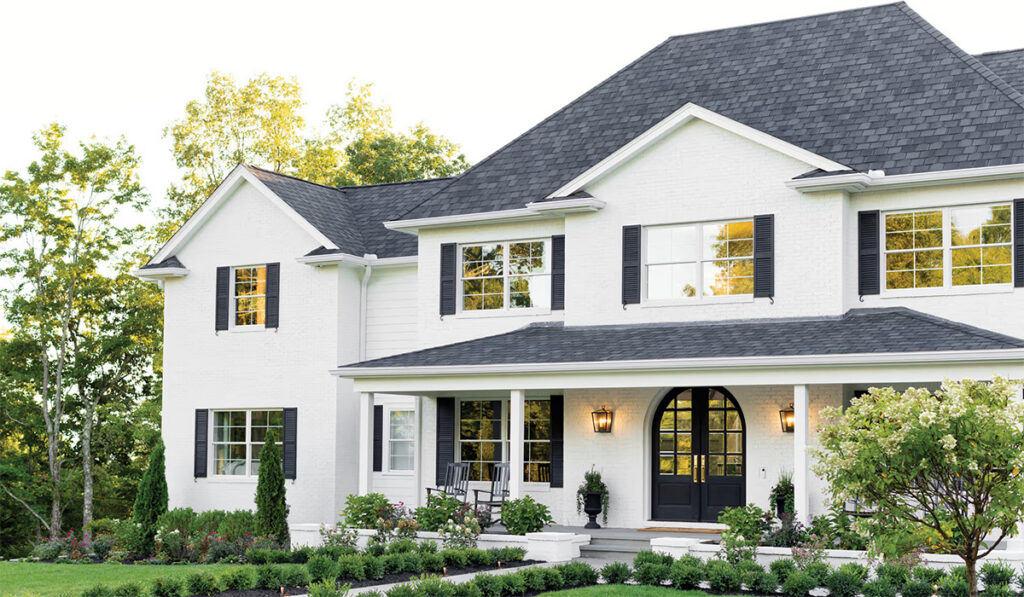
Appearance is another area where fiberglass can have an advantage.
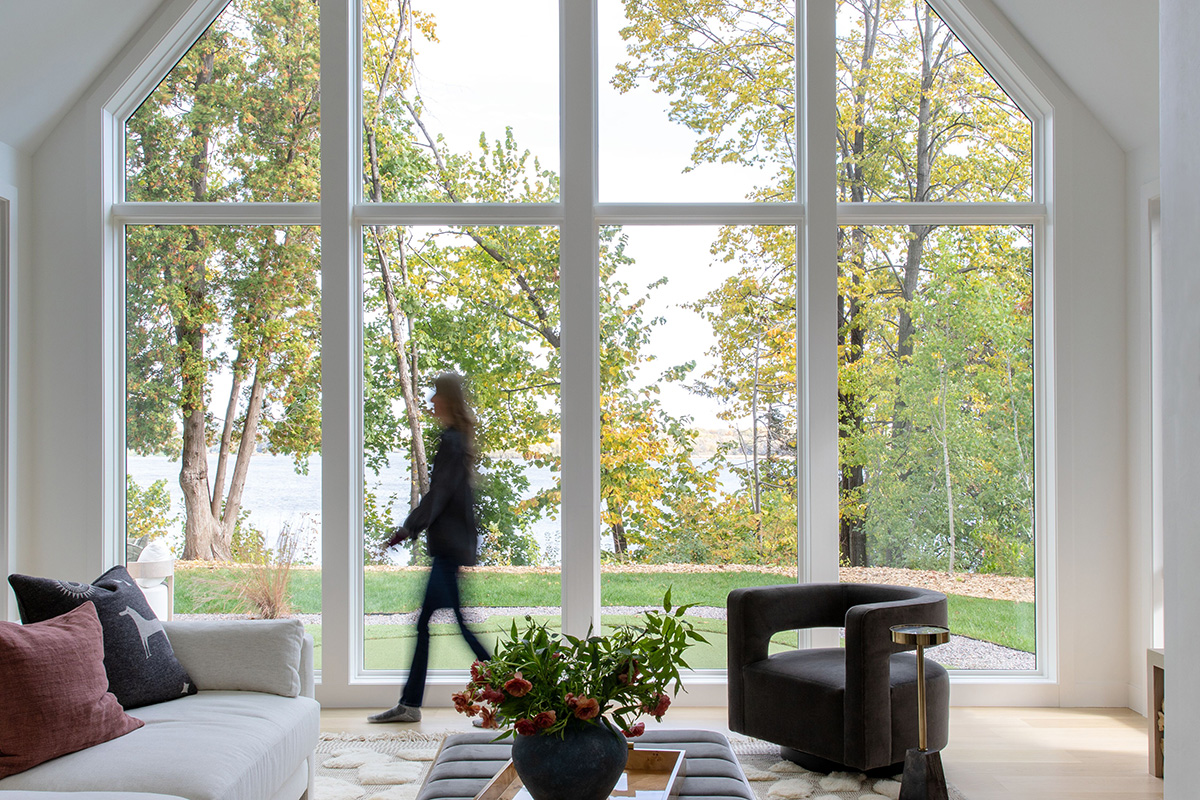
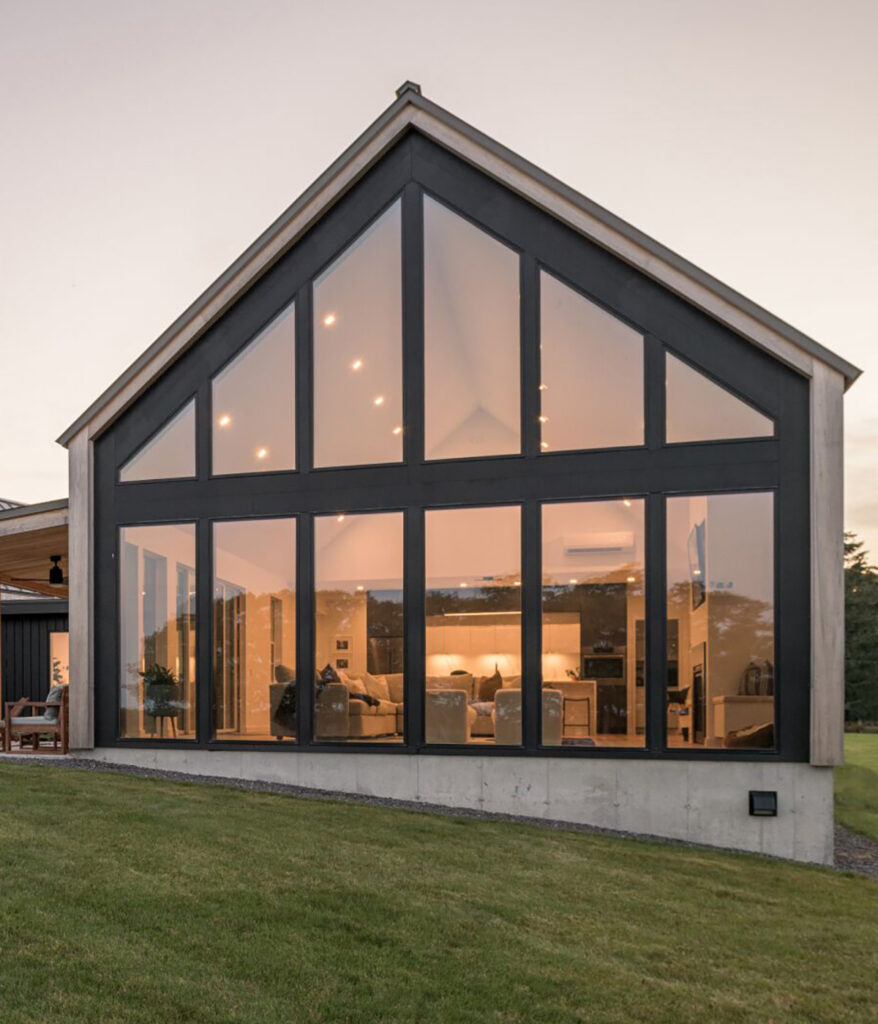
Modern fiberglass windows can feature narrow frame profiles that provide more visible glass and larger views. Marvin’s fiberglass products are designed to combine strength with streamlined profiles, allowing homeowners to maximize natural light without sacrificing structural performance.
Fiberglass can also be finished in a variety of colors, including darker exterior colors that may be more difficult to achieve with some vinyl products.
Vinyl windows are available in a range of styles and finishes and can provide an attractive, clean appearance. They are particularly appealing to homeowners who want a practical and affordable replacement window.
However, fiberglass can provide a more refined appearance that works particularly well with custom and higher end residential architecture.
Return on Investment
When comparing fiberglass and vinyl, it is important to look beyond the purchase price.
Vinyl generally has the advantage when it comes to upfront affordability. For homeowners completing a large scale replacement project or working within a tighter budget, that can be a major benefit.
Fiberglass, on the other hand, can offer value through:
- Greater durability
- Longer lasting performance
- Reduced maintenance
- Better resistance to temperature changes
- More design flexibility
- Slimmer frame profiles
- Strong energy efficiency potential
A fiberglass window may cost more initially, but homeowners who plan to stay in their homes for the long term may find that the added durability and performance make the investment worthwhile.
For higher end homes and custom renovations, the appearance and structural qualities of fiberglass can also contribute to the overall architectural value of the project.
Northern California Climate Matters
There is no single window material that is perfect for every Northern California home.
A home near the coast may face moisture and salt air, while a home farther inland may experience significantly hotter summer temperatures. Some homes may also have large expanses of glass that require particularly strong and stable frames.
Fiberglass can be especially well suited to these conditions because of its resistance to temperature driven movement and its low maintenance requirements.
Old Town Glass serves homeowners throughout Northern California, including Marin, Napa, and Sonoma Counties, and its current guidance notes that fiberglass can perform consistently in environments ranging from coastal humidity to dry inland heat.
Which Is Better: Fiberglass or Vinyl?
For homeowners who prioritize affordability, vinyl can be a practical choice. It offers low maintenance and can deliver good energy efficient performance at a lower upfront cost.
For homeowners who prioritize durability, long term performance, appearance, and resistance to temperature changes, fiberglass is generally the stronger choice.
The best option ultimately depends on:
- Your budget
- Your home’s architectural style
- Local climate conditions
- Desired maintenance level
- Energy efficiency goals
- Expected length of ownership
- Window size and configuration
- Overall design priorities
For many Northern California homeowners investing in a long term renovation, fiberglass can provide the combination of performance and aesthetics needed to justify the higher initial investment.
Why Professional Installation Matters
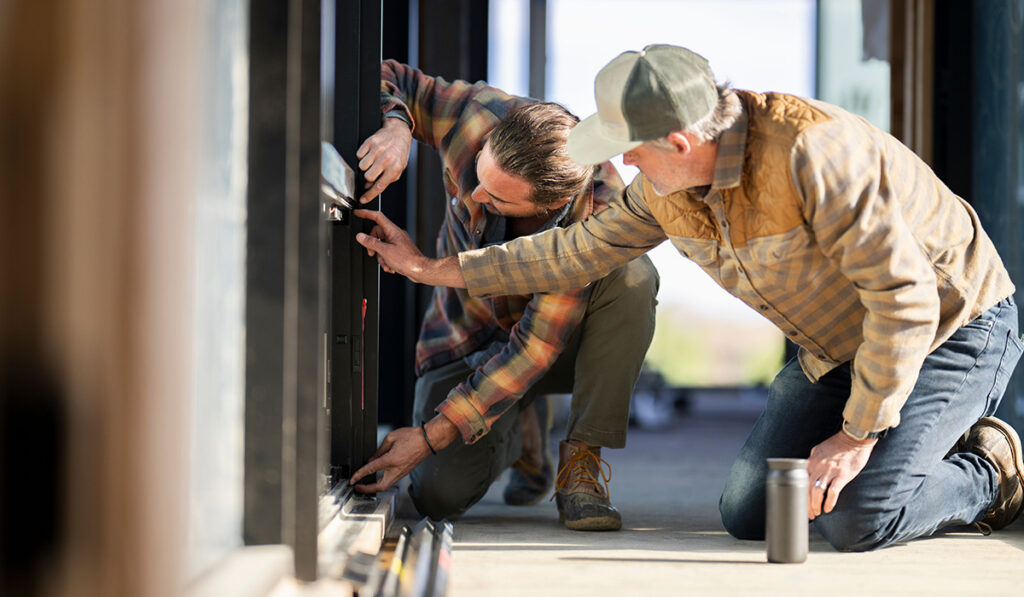
Even the highest quality windows need to be properly installed to perform as intended.
Correct installation helps ensure:
- Proper alignment
- Effective weather sealing
- Reduced air infiltration
- Improved water resistance
- Smooth operation
- Long term performance
At Old Town Glass, installation is handled by the company’s own trained and experienced installers rather than being subcontracted. The company works with homeowners, architects, and contractors to develop custom window and door solutions from design through completion.
This attention to installation is particularly important when working with premium windows and custom architectural designs.
FAQ - Fiberglass vs. Vinyl Windows
Choose the Right Windows for Your Northern California Home
Fiberglass and vinyl can both be viable window materials, but they serve different priorities.
Vinyl is an affordable, low maintenance option that can make sense for homeowners focused on initial cost. Fiberglass offers greater strength, thermal stability, longevity, and design flexibility, making it an excellent choice for homeowners looking for a premium long term investment.
At Old Town Glass, the team works with homeowners, architects, and contractors to create window and door solutions tailored to each project’s design, performance, and functional requirements.
Ready to compare fiberglass and vinyl windows for your Northern California home? Contact Old Town Glass to discuss your project and explore the right window solution for your home.